
This Women’s Lives, Women’s Voice’s feature is written by Rhona Hannigan, Development Worker with the Women’s Collective Ireland-Donegal. Highlighting the issue of the lack of women in local politics and poses the question, why is there still so many male politicians representing women’s voices in all aspects of Irish politics?
With the local and European elections wrapped up its important that we highlight the continued lack of female political representation in Irish Politics. Why should we focus on women’s politics now as the elections are over, well we have a general election coming up before March next year, with the possibility of an early election in autumn. With so many other focus areas like healthcare, migration and housing, gender equality seems to have gone by the way side. Important issues like pay parity, gender based violence and equal pensions for women. Recent research shows that women in Ireland would need to work eight years longer to retire with the same pensions as men. The 2024 Gender Pension Gap Report from Irish Life found that there is a 36% gender pension gap faced by working women, highlighting the inequalities between men and women right the way through to retirement.
A Global Context
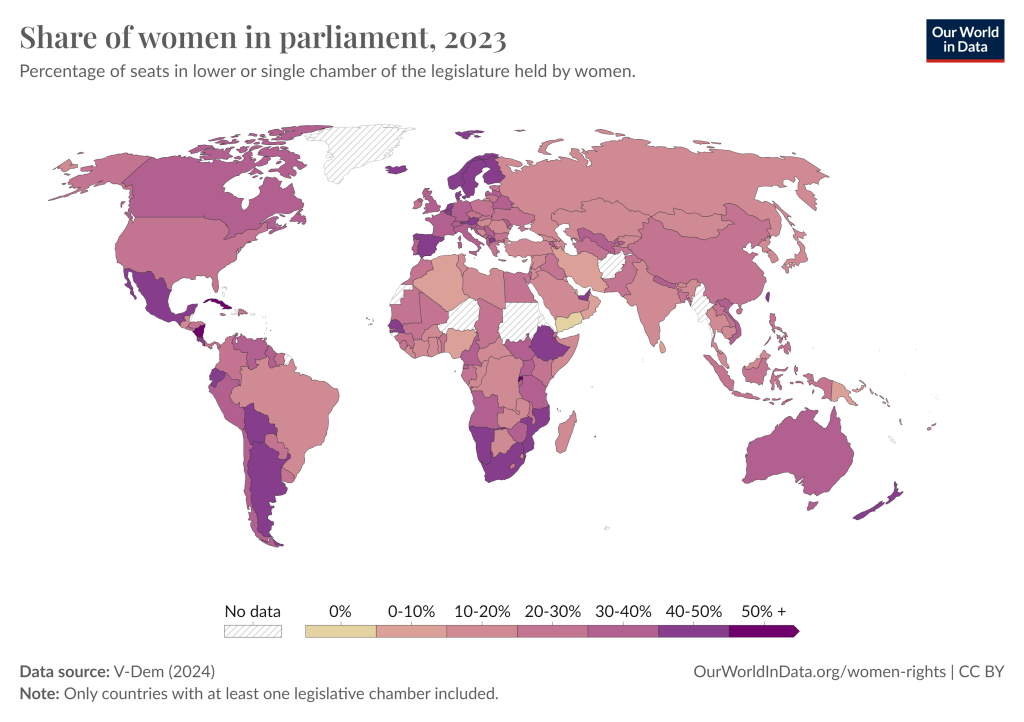
So why is it that not enough women run for office or get elected in Ireland? If we look at the statistics in Europe, Ireland has the 6th lowest rate of female participation in lower houses of parliament, only 26.5% of parliamentarians in single or lower houses are women globally, this has risen from 11% in 1995. There has been a steady rise globally of women in politics visible from the 18th and 19th centuries where women did not have the right to vote or sit in parliaments. According to the United Nations only six countries have 50% or more women in parliament globally, Rwanda have 61%, Cuba have 53%, Nicaragua have 52%, Mexico have 50%, New Zealand have 50% and the United Arab Emirates have 50%. In 2008, Rwanda became the first parliament to have more than 50% women, the first women-majority parliament. The UN also recorded last month that there was 28 countries that had women serve as Heads of State and/or Government. At the current rate it will take 130 years to reach gender equality in the highest positions of power.
In Ireland
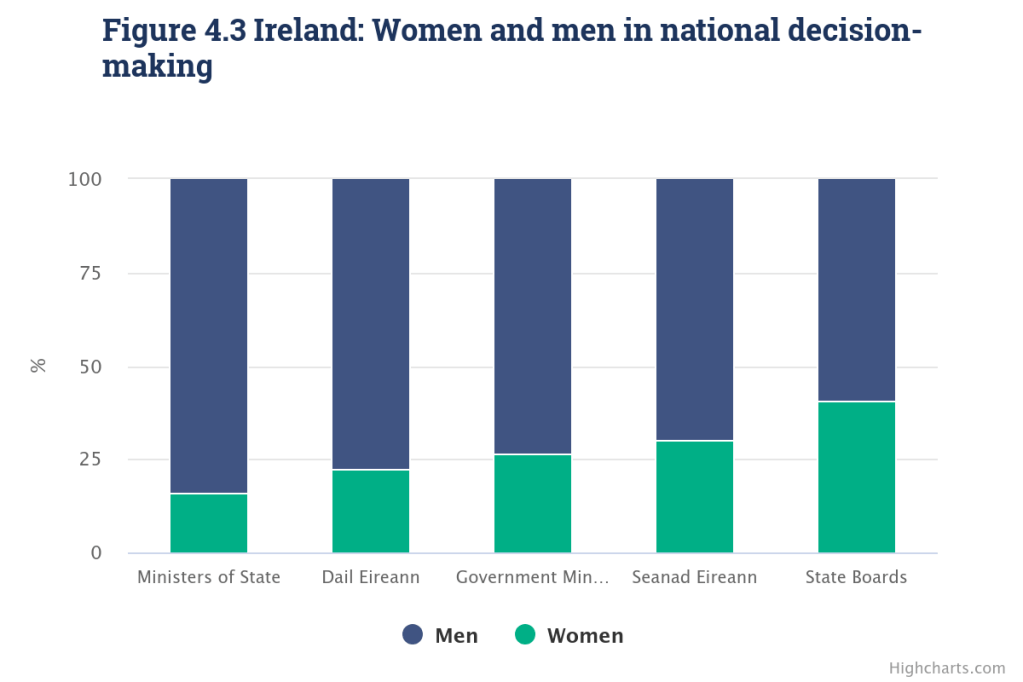
In Ireland, 21.1% of TD’s are women, 38.3% Senators and 25.9% are County Councillors. Barriers exist for women, the “5 Cs”, confidence, childcare, culture, cash and candidate selection are some of the obstacles faced. I recently spoke with a female councillor who sat in a very “traditional Borough” in the North of Ireland. She only ran once as she found it difficult being in a minority, especially when gender sensitive topics arose, she found it “unbearable”. In many cases in our patriarchal system women are still expected to be the main care giver in the home, this limits availability and commitment. We are also resistant to change, traditionally politics has been male dominated and people are reluctant to nominate or vote for someone different. However, voter loyalties to political parties is in decline, elections have become unpredictable. Anti establishment sentiment and positions are contributing to the changing shape of the party system. I believe this will cause more barriers to leveling up women in politics.
Moving Forward
We need to change the dynamic of the political system in Ireland, a change that is reflective of an ever evolving society. Implemented by and includes more women, we need more working-class women, migrant women, Traveler women, rural women, disabled women, more women from the LGBTQI community. Only then will all women be represented here. A 50/50 gender balance in government is key to Ireland becoming a thriving and vibrant society. This quota needs to be met and surpassed. Imagine having a women’s perspective on housing, healthcare or the justice system. How much fairer and more efficient it could be.
There has been a push by various organisations to get more women elected, however, as mentioned by Rachel Coyle, Head of Campaigns and Mobilisation for the National Women’s Council, more women ran in local elections that saw women from diverse backgrounds being elected. However, it still remains that women will only make up around 26 % of Councillors which is the same percentage of outgoing women Councillors.
While a record number of 677 women contested the elections, up from 566 in 2019, it was only 31% of overall candidates. There was an increase in migrant women contesting the elections, however, no Traveller women sought election and in two constituencies, Moate in County Westmeath and An Daingean in County Kerry, no women ran. Local elections are a clear route to national government and both of the two main parties Fianna Fail and Fine Gael failed to meet the 40% quota, failing to even reach 30%. The latest data available in the infographic below compiled by the Central Statistic Office paints a grim picture of women in decision making roles.
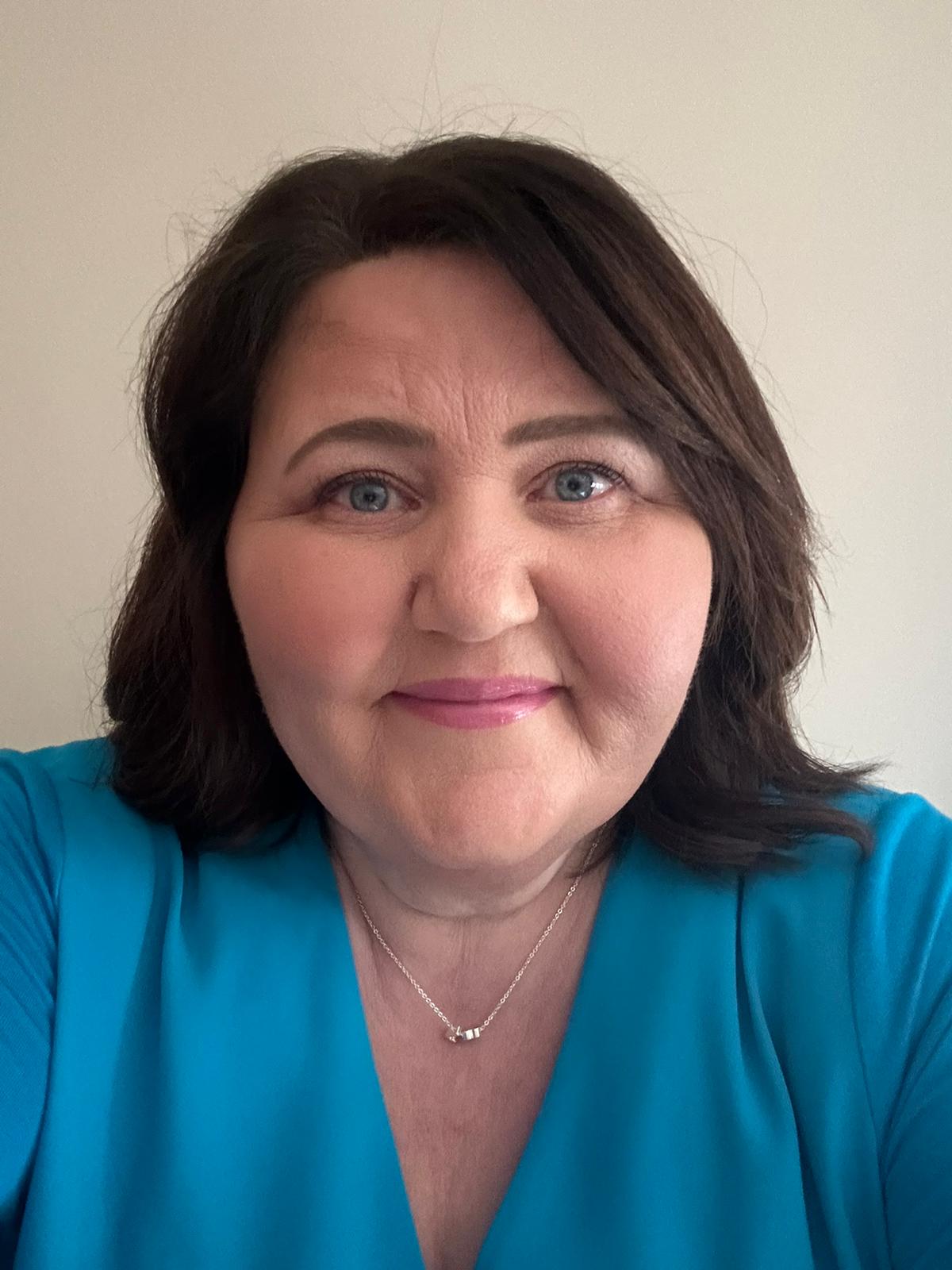
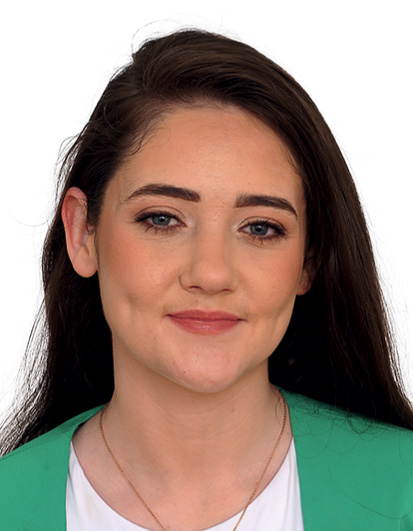
In Donegal with thirty-seven seats to fill there was a record nighty one candidates that contested the local elections. Of those elected just three were women from seven electoral areas, one down from the 2019 elections. Joy Beard who ran for the first time was elected on the first count in Buncrana, and Dakota Nic Mheanman was elected in the Lifford-Stranorlar local electoral area. Both Beard and Nic Mheanman are affiliated with the 100% Redress party and Sinn Féin respectively. While Niamh Kennedy retained her seat as an independent candidate in Donegal.

So why is it so important that we encourage more women into politics? Public representation should be diverse, representative of the society we live in. This will benefit all of society promoting a rounded and balanced decision-making process. County Councils implement procedures and make decisions that affect the places where we live, work, and relax whether its affordable housing, road works, environmental issues, providing playgrounds or leisure facilities. Governments make decisions that affect us at a global level. Decisions made by elected representatives affect our everyday life, so it is crucial that women play an equal part in that decision-making process.
Upcoming Women in Local Leadership (WILL) programme in Donegal
Let’s celebrate and support women in leadership together! Join the new Women’s Collective Ireland-Donegal programme starting on Tuesday 17th September 10am-1pm in Donegal Town. This is a FREE 8-week programme for women and a space for you to explore what leadership means and develop your skills and confidence. Over the sessions you will learn about local government structures and voting with a field trip to local government in Lifford and with the opinion to visit Dáil Éireann, look at equality and human rights issues, think critically about lived experiences, gender equality and issues that hold back women’s equality and participation in society. Exploring ways to empower and support those affected by gender discrimination.
If you would like to take part in this programme please fill in our form here https://forms.gle/fUvymoZNasTv8T8n8 and we will be in contact. For more information please email WCI-Donegal on donegal@womenscollective.ie or text us on 085 8638419.

WCI-Donegal are always looking for women to share their stories and looking for women to write features on topics of their choice which we will profile as part of our Women’s Lives, Women’s Voices’ series.



 Women's Collective Donegal