In this women’s lives, women’s voices feature, the Women’s Collective Ireland- Donegal team share with you our recent research findings on the community needs of women in the Donegal.WCI-Donegal Team; Rhona Hannigan Development Worker, Sinead Doherty Project Worker and Danielle Bonner Project Coordinator.Photos by Tori Tinney
It’s been a busy year for the Women’s Collective Ireland- Donegal team, in between our planning and the delivery of a range of courses, workshops and events, this year we have also been researching the community needs of women in Donegal. This research began in December 2024, when we launched a women’s needs assessment survey which provided an opportunity for women living in Donegal to express their community needs and share life experiences.
572 women aged 18 and above took part in the assessment which was carried out through an online survey. The findings from this survey now provides us with important insight into the lives of women living in Donegal and highlights the diverse needs of women in rural Ireland.
Women living across the county took the time to share with WCI-Donegal their experiences with mental health, access to local support services, their views on what’s missing for women in the county and their experiences of gender inequality. They spoke openly about mental health, pressure at home and work, lack of affordable childcare, and gaps in community opportunities for women in the county. More than half (52%) said they experience anxiety. Many also reported loneliness, low mood and feeling overwhelmed, especially those in their 30s and 40s, many of whom are juggling work and caring responsibilities.
A common theme among the respondents was the need for a welcoming, women-only space in their community where they could drop in for a chat, a class or a cuppa, somewhere safe, informal and friendly to connect, learn or simply take a break. Others expressed a need for better access to local workshops, creative programmes, and everyday practical support.
While most respondents didn’t know of a Women’s Group in their area, nearly three-quarters said they’d like to join one. Many women also said that gender inequality continues to impact their lives, from taking on more caring responsibilities at home while also working, to facing discrimination at work and feeling unsafe in public spaces.
Women’s Collective Donegal project coordinator Danielle Bonner spoke with Ocean FM about the importance of creating spaces for women, the work WCI-Donegal is planning in response to needs assessment findings and the importance of programme funding to support the community needs of women in Donegal.
Women’s responses also suggest that there are gaps in current community engagement and highlight there is a need to utilise and better connect women to the opportunities that already exist in the community.
Women’s Collective Donegal project coordinator Danielle Bonner highlights what we can do to address these challenges with Highland Radio
Speaking with Greg Hughes on the Nine til Noon Show on Highland Radio about the survey findings
The survey findings will help shape WCI-Donegal’s work, ensuring that our work is grounded in the lived realities of women in Donegal. While the experiences and information shared by women in the survey provides local community organisations and decision-making bodies valuable insight and data to help inform their work allowing us all to better support women to engage and participate in the community, support their wellbeing and empowerment.
Women’s Collective Ireland-Donegal would like to thank and acknowledge all the women who took the time to complete our women’s needs assessment. Their time and insightful input are very much appreciated.
You can read a full copy of the needs assessment report by downloading it here.
WCI-Donegal are always looking for women to share their stories and looking for women to write features on topics of their choice which we will profile as part of our Women’s Lives, Women’s Voices’ series.
Women from across Donegal and representing various community groups attending the Donegal County Council’s EMPOWER HER event in Lifford Council Chamber.
This Women’s Lives, Women’s Voice’s feature is written by Rhona Hannigan, Development Worker with the Women’s Collective Ireland-Donegal. Highlighting the issue of the lack of women in local politics and poses the question, why is there still so many male politicians representing women’s voices in all aspects of Irish politics?
With the local and European elections wrapped up its important that we highlight the continued lack of female political representation in Irish Politics. Why should we focus on women’s politics now as the elections are over, well we have a general election coming up before March next year, with the possibility of an early election in autumn. With so many other focus areas like healthcare, migration and housing, gender equality seems to have gone by the way side. Important issues like pay parity, gender based violence and equal pensions for women. Recent research shows that women in Ireland would need to work eight years longer to retire with the same pensions as men. The 2024 Gender Pension Gap Report from Irish Life found that there is a 36% gender pension gap faced by working women, highlighting the inequalities between men and women right the way through to retirement.
A Global Context
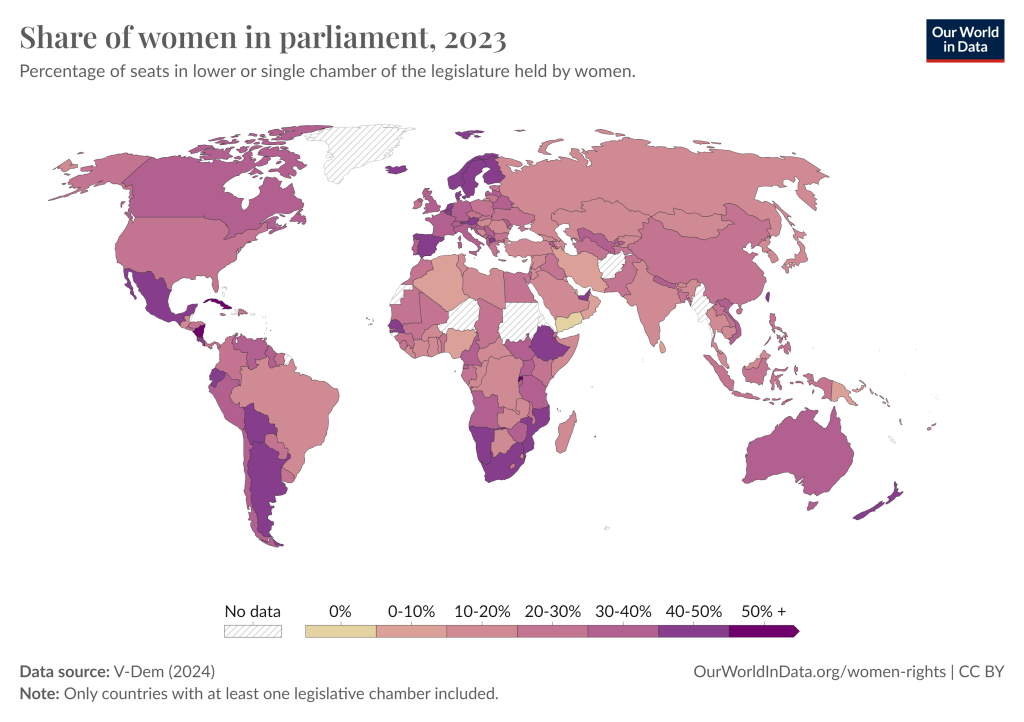
So why is it that not enough women run for office or get elected in Ireland? If we look at the statistics in Europe, Ireland has the 6th lowest rate of female participation in lower houses of parliament, only 26.5% of parliamentarians in single or lower houses are women globally, this has risen from 11% in 1995. There has been a steady rise globally of women in politics visible from the 18th and 19th centuries where women did not have the right to vote or sit in parliaments. According to the United Nations only six countries have 50% or more women in parliament globally, Rwanda have 61%, Cuba have 53%, Nicaragua have 52%, Mexico have 50%, New Zealand have 50% and the United Arab Emirates have 50%. In 2008, Rwanda became the first parliament to have more than 50% women, the first women-majority parliament. The UN also recorded last month that there was 28 countries that had women serve as Heads of State and/or Government. At the current rate it will take 130 years to reach gender equality in the highest positions of power.
In Ireland
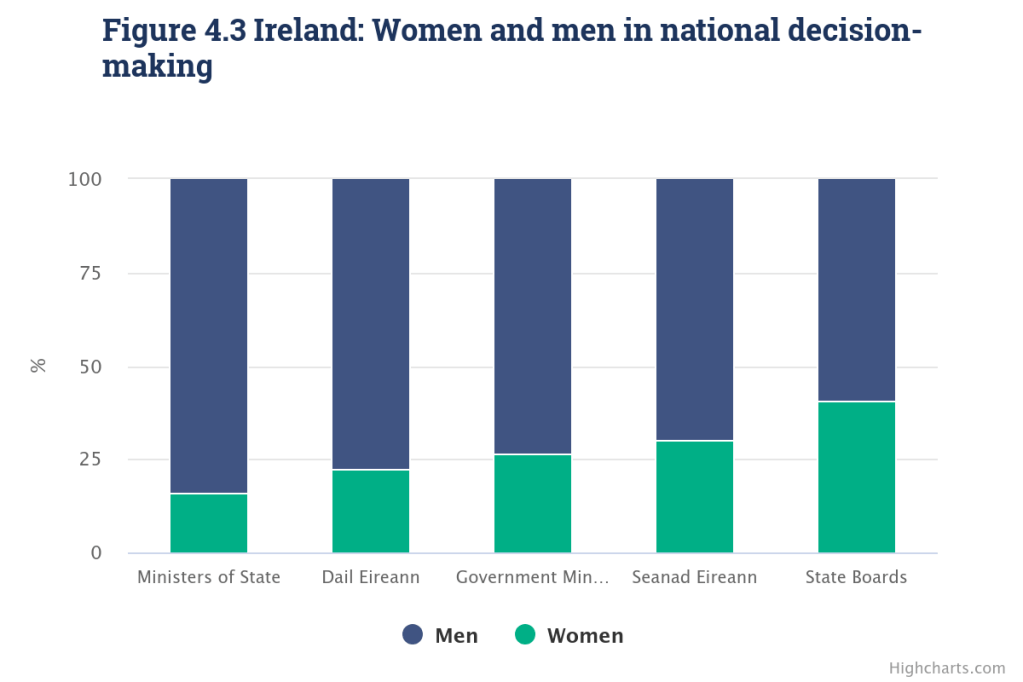
In Ireland, 21.1% of TD’s are women, 38.3% Senators and 25.9% are County Councillors. Barriers exist for women, the “5 Cs”, confidence, childcare, culture, cash and candidate selection are some of the obstacles faced. I recently spoke with a female councillor who sat in a very “traditional Borough” in the North of Ireland. She only ran once as she found it difficult being in a minority, especially when gender sensitive topics arose, she found it “unbearable”. In many cases in our patriarchal system women are still expected to be the main care giver in the home, this limits availability and commitment. We are also resistant to change, traditionally politics has been male dominated and people are reluctant to nominate or vote for someone different. However, voter loyalties to political parties is in decline, elections have become unpredictable. Anti establishment sentiment and positions are contributing to the changing shape of the party system. I believe this will cause more barriers to leveling up women in politics.
Moving Forward
We need to change the dynamic of the political system in Ireland, a change that is reflective of an ever evolving society. Implemented by and includes more women, we need more working-class women, migrant women, Traveler women, rural women, disabled women, more women from the LGBTQI community. Only then will all women be represented here. A 50/50 gender balance in government is key to Ireland becoming a thriving and vibrant society. This quota needs to be met and surpassed. Imagine having a women’s perspective on housing, healthcare or the justice system. How much fairer and more efficient it could be.
There has been a push by various organisations to get more women elected, however, as mentioned by Rachel Coyle, Head of Campaigns and Mobilisation for the National Women’s Council, more women ran in local elections that saw women from diverse backgrounds being elected. However, it still remains that women will only make up around 26 % of Councillors which is the same percentage of outgoing women Councillors.
While a record number of 677 women contested the elections, up from 566 in 2019, it was only 31% of overall candidates. There was an increase in migrant women contesting the elections, however, no Traveller women sought election and in two constituencies, Moate in County Westmeath and An Daingean in County Kerry, no women ran. Local elections are a clear route to national government and both of the two main parties Fianna Fail and Fine Gael failed to meet the 40% quota, failing to even reach 30%. The latest data available in the infographic below compiled by the Central Statistic Office paints a grim picture of women in decision making roles.
In Donegal with thirty-seven seats to fill there was a record nighty one candidates that contested the local elections. Of those elected just three were women from seven electoral areas, one down from the 2019 elections. Joy Beard who ran for the first time was elected on the first count in Buncrana, and Dakota Nic Mheanman was elected in the Lifford-Stranorlar local electoral area. Both Beard and Nic Mheanman are affiliated with the 100% Redress party and Sinn Féin respectively. While Niamh Kennedy retained her seat as an independent candidate in Donegal.
So why is it so important that we encourage more women into politics? Public representation should be diverse, representative of the society we live in. This will benefit all of society promoting a rounded and balanced decision-making process. County Councils implement procedures and make decisions that affect the places where we live, work, and relax whether its affordable housing, road works, environmental issues, providing playgrounds or leisure facilities. Governments make decisions that affect us at a global level. Decisions made by elected representatives affect our everyday life, so it is crucial that women play an equal part in that decision-making process.
Upcoming Women in Local Leadership (WILL) programmein Donegal
Let’s celebrate and support women in leadership together! Join the new Women’s Collective Ireland-Donegal programme starting on Tuesday 17th September 10am-1pm in Donegal Town. This is a FREE 8-week programme for women and a space for you to explore what leadership means and develop your skills and confidence. Over the sessions you will learn about local government structures and voting with a field trip to local government in Lifford and with the opinion to visit Dáil Éireann, look at equality and human rights issues, think critically about lived experiences, gender equality and issues that hold back women’s equality and participation in society. Exploring ways to empower and support those affected by gender discrimination.
If you would like to take part in this programme please fill in our form here https://forms.gle/fUvymoZNasTv8T8n8 and we will be in contact. For more information please email WCI-Donegal on donegal@womenscollective.ie or text us on 085 8638419.
WCI-Donegal are always looking for women to share their stories and looking for women to write features on topics of their choice which we will profile as part of our Women’s Lives, Women’s Voices’ series.
Women of Donegal do you feel Represented? Are Women Fairly Represented in Politics?
NCCWN-Donegal Women’s Network wants to hear from you. On Wednesday 9th October 11am-2pm we are hosting an event in the Regional Cultural Centre, Letterkenny, where we will look at these very questions.
We believe it’s important women from all diverse backgrounds, cultures and life experiences feel and have their voices heard. We are therefore organising this event as part of Social Inclusion Week, an opportunity to hear from women and learn how they feel their voices, values and experiences are heard.
This is an open event so please feel free to just come along, listen, learn and help us see what action/s we can take collectively to gain a real sense of solidarity for women.
A light lunch will be served and we would love for you to come join us.
For more info contact NCCWN Donegal Women’s Network on
074 97 22790 or email donegalwomensnetwork@gmail.com
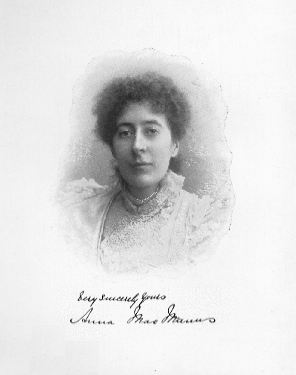
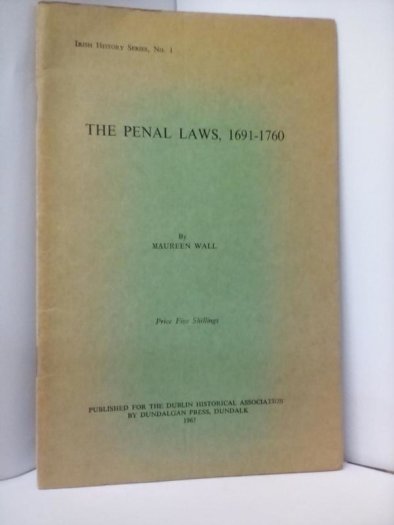
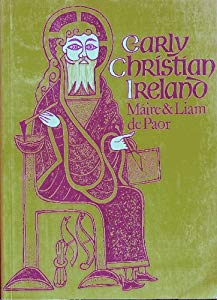
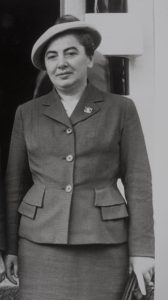
In this Women’s Lives Women’s Voices feature Historian Dr Angela Byrne from Donegal highlights the historical struggles faced by women here in Ireland. And she pays tribute to Rose Brogan, Ethna Carbery, Máire de Paor, Maureen Wall, née MacGeehin, Kathleen ‘Kay’ McNulty and Margaret ‘Pearl’ Dunlevy, inspiring historical women with Donegal connections.
By Angela Byrne
This is a good time to reflect on women in Irish society in the past and in the present. The ‘Decade of Centenaries’ and its commemorations gave the people of Ireland an opportunity to re-examine the keystone moments in our national story. Remarkable figures emerged from the shadows as we heard new stories about the women and children of the 1913 Lockout and the Easter Rising. The volunteer-run Her story Project established a series of local and national events to provide a platform for telling Irish women’s stories. One of the great successes of the recent commemorations was the naming of Dublin’s newest bridge after the republican and labour activist, Rosie Hackett. This is the first of our capital’s twenty-one bridges to bear a woman’s name.
In 2018, we celebrated the centenary of what Catriona Crowe has called “the single greatest human rights achievement of the entire decade of centenaries” – the extension of voting rights to women on 6 February 1918. The Representation of the People Act enfranchised some 8.4 million women across Britain and Ireland – but only property-holders aged 30 and above. In 1922, the constitution of the Irish Free State extended the franchise to all Irish women and men aged 21 and over, but for a period of four years, younger and poorer women remained voiceless.
Women’s suffrage was won after decades of effort by campaigners like Anna and Thomas Haslam of the Women’s Suffrage Association, and the more “militant” Irish Women’s Franchise League (IWFL) established by Hanna Sheehy-Skeffington and Margaret Cousins. The IWFL brought much more public attention to the women’s movement because they refused to be confined by social expectations of women’s behaviour. Tactics ranged from petitioning to window smashing. In 1909, English suffragettes in became the first to use hunger striking as a form of protest, leading to the infamous ‘Cat and Mouse Act’ of 1913, which allowed the temporary release and recapture of hunger strikers in response to public objections to force-feeding. In 1912, the Irish Women’s Franchise League established its own weekly newspaper, The Irish Citizen, which ran until 1920. In its pages, suffragists of all political shades debated their differing interpretations of feminism.
There was a rapid growth of women’s suffrage groups throughout Ireland. In Sligo Eva and Constance Gore Booth set up a branch of the IWSGLA. By 1914 there were 26 suffrage societies with almost 3,000 members. Although committed to the same aim, these societies often represented distinct social and political groups e.g. the Conservative and Unionist Women’s Franchise Association, Irish Catholic Women’s Suffrage Society, Unionist Women’s Franchise Association. The activities of these societies were uncoordinated. In 1911 Louie Bennett (1870 -1956) and Helen Chenevix (1880-1963) helped establish the Irish Women’s Suffrage Federation (IWSF) to link the suffrage groups together. The IWSF was non-militant and non-sectarian. Image Source www.dublincity.ie
On 21 November 1918, the UK parliament voted in the Parliament (Qualification of Women) Act. The act simply stated: “A woman shall not be disqualified by sex or marriage for being elected to or sitting or voting as a Member of the Commons House of Parliament.” Women aged over 21 now had the right to stand for general election. Just weeks later, on 14 December 1918, Constance Markievicz became the first woman to win a seat at Westminster. She abstained in favour of sitting in the First Dáil.
In her celebrated 1995 book The Prospect Before Her, the historian Olwen Hufton wrote that women’s absence from history pointed to “either a grave sin of omission or to a flagrant suppression of the evidence, and hence to a distortion of the record by historians of former times. Whether the omission was unconscious or deliberate, the result was the same: women, with a few notable exceptions, had been denied a history.” Let’s celebrate our suffrage centenary by continuing to challenge that denial, to give silenced women a voice.
Discover some of Donegal’s Historical Women
Please take the time to read further features written by Angela and discover more about Donegal’s inspiring historical women by clicking on the pictures below.
“I hope that these features will raise awareness of the richness of the lives of Donegal women in the past, shine a light on their achievements, and show how they overcame barriers to education and other obstacles. Reflecting on past lives can help us to contextualise current issues and to understand changes and continuities. With that in mind, this series will focus on past women’s struggles for equality, access to education and work, and social justice.”
Angela Byrne is a historian specialising in migration and women’s history. She is Research Associate at Ulster University and, in 2018-19, was the inaugural DFAT Historian-in-Residence at EPIC The Irish Emigration Museum. She is author of Geographies of the Romantic North (Palgrave Macmillan, 2013), A Scientific, Antiquarian and Picturesque Tour: John (Fiott) Lee in Ireland, England and Wales, 1806–1807 (Routledge for Hakluyt Society, 2018), and many articles and book chapters on the histories of travel and exploration, the Irish abroad, and women in the sciences.
She has previously held lecturing and research positions in University of Toronto, University of Greenwich, Maynooth University, and the Royal Irish Academy, as well as visiting fellowships at Cambridge University, the All-Russia State Library for Foreign Literature (Moscow), and the Huntington Library (Los Angeles). Her research is concerned with cross-cultural encounters and the experiences of women and migrants in the past.
NCCWN Donegal Women’s Network have had the privilege of Angela giving insight into the lives of historical Donegal women over the past few years at past events, including most recently our 2019 Balance for Better International Women’s Day Event in March, where Angela gave a talk on the political life of Letterkenny local Kate McCarry, Donegal’s first ever elected female county councillor.
NCCWN Donegal Women’s Network have had the privilege of Angela giving insight into the lives of historical Donegal women over the past few, including most recently our 2019 Balance for Better International Women’s Day Event in March, where Angela gave a talk on the political life of Letterkenny local Kate McCarry Donegal’s first ever elected female county councillor.
NCCWN Donegal are always looking for women to share their stories and looking for women to write features on topics of their choice which we will profile as part of our Women’s Lives, Women’s Voices’ series, so please get in touch if you would like to write a feature.





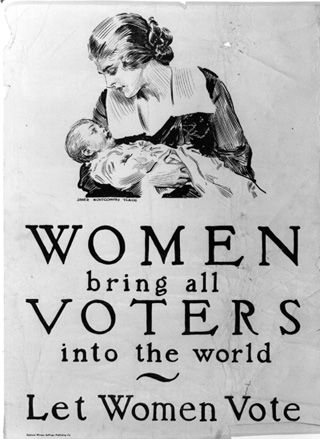 In 2018, we celebrated the centenary of what Catriona Crowe has called “the single greatest human rights achievement of the entire decade of centenaries” – the extension of voting rights to women on 6 February 1918. The Representation of the People Act enfranchised some 8.4 million women across Britain and Ireland – but only property-holders aged 30 and above. In 1922, the constitution of the Irish Free State extended the franchise to all Irish women and men aged 21 and over, but for a period of four years, younger and poorer women remained voiceless.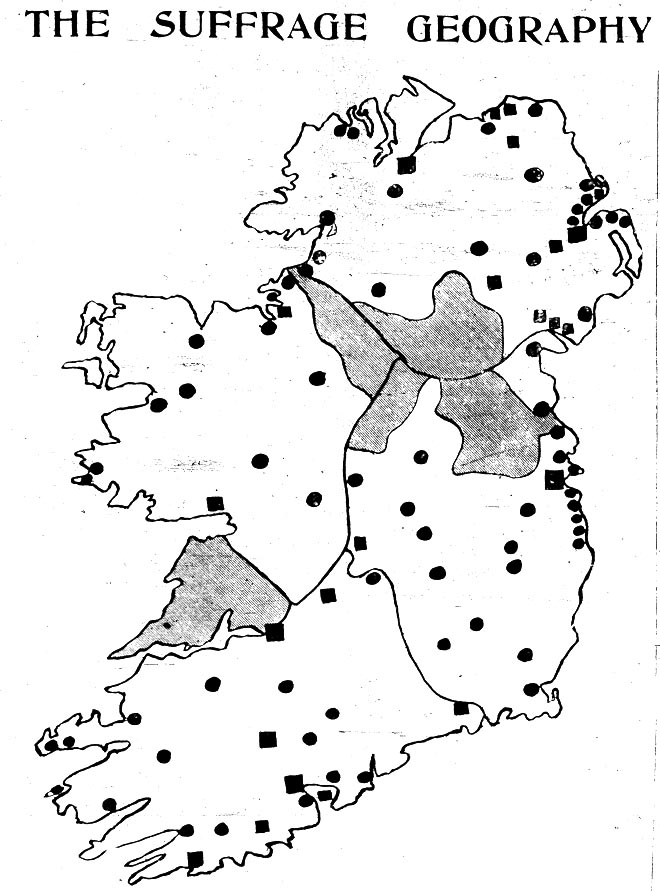
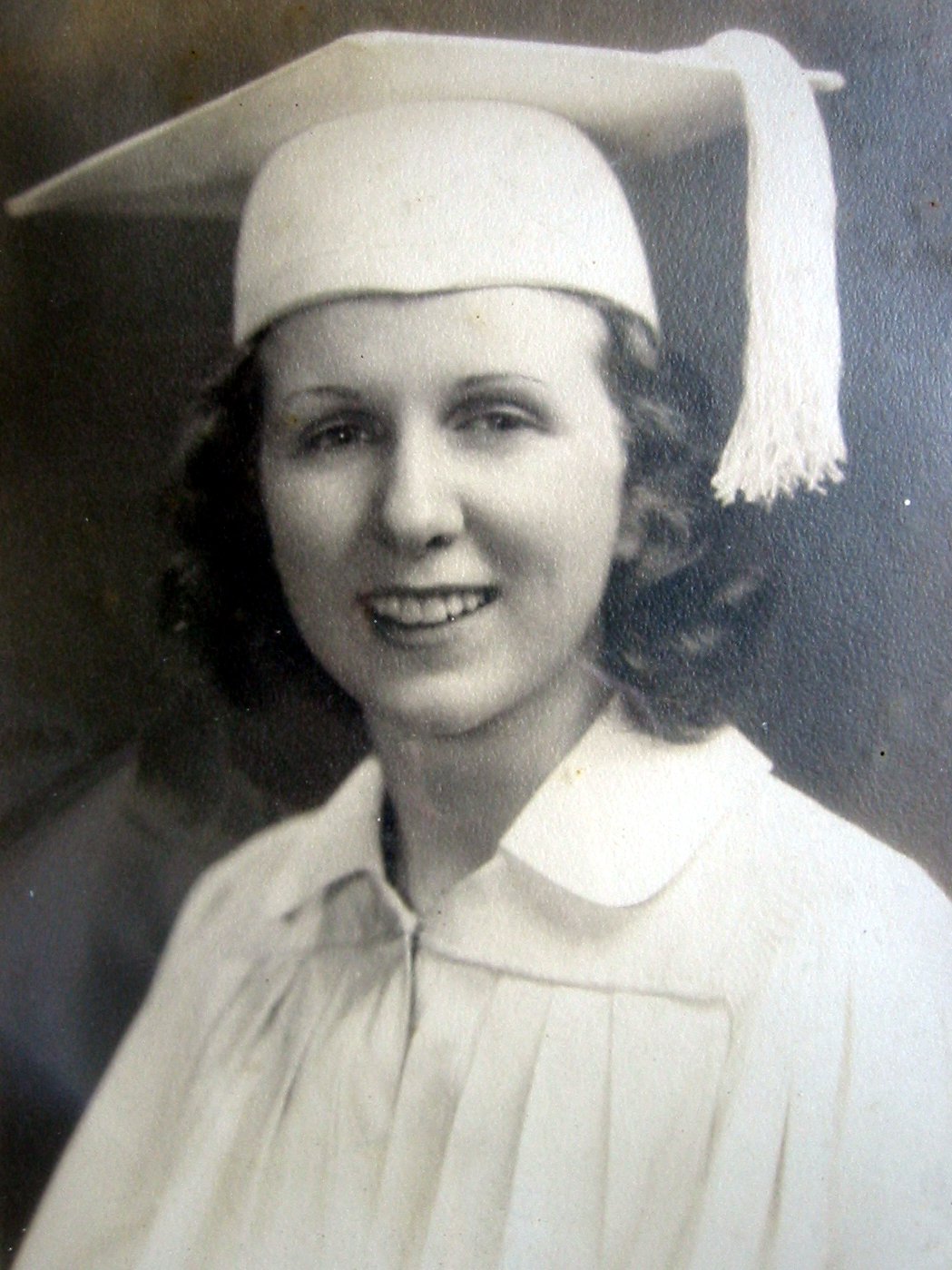
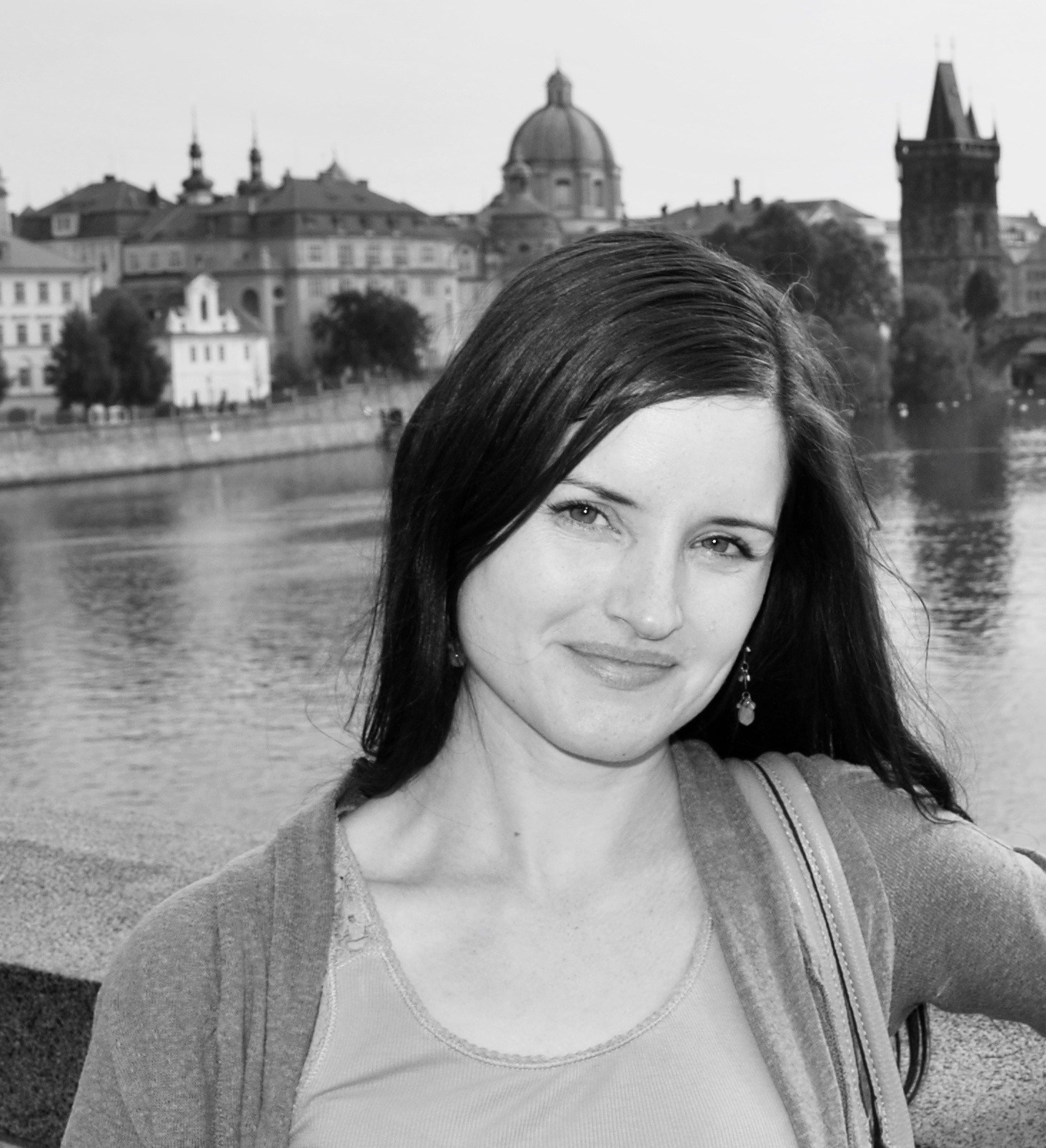 Angela Byrne is a historian specialising in migration and women’s history. She is Research Associate at Ulster University and, in 2018-19, was the inaugural DFAT Historian-in-Residence at EPIC The Irish Emigration Museum. She is author of Geographies of the Romantic North (Palgrave Macmillan, 2013), A Scientific, Antiquarian and Picturesque Tour: John (Fiott) Lee in Ireland, England and Wales, 1806–1807 (Routledge for Hakluyt Society, 2018), and many articles and book chapters on the histories of travel and exploration, the Irish abroad, and women in the sciences.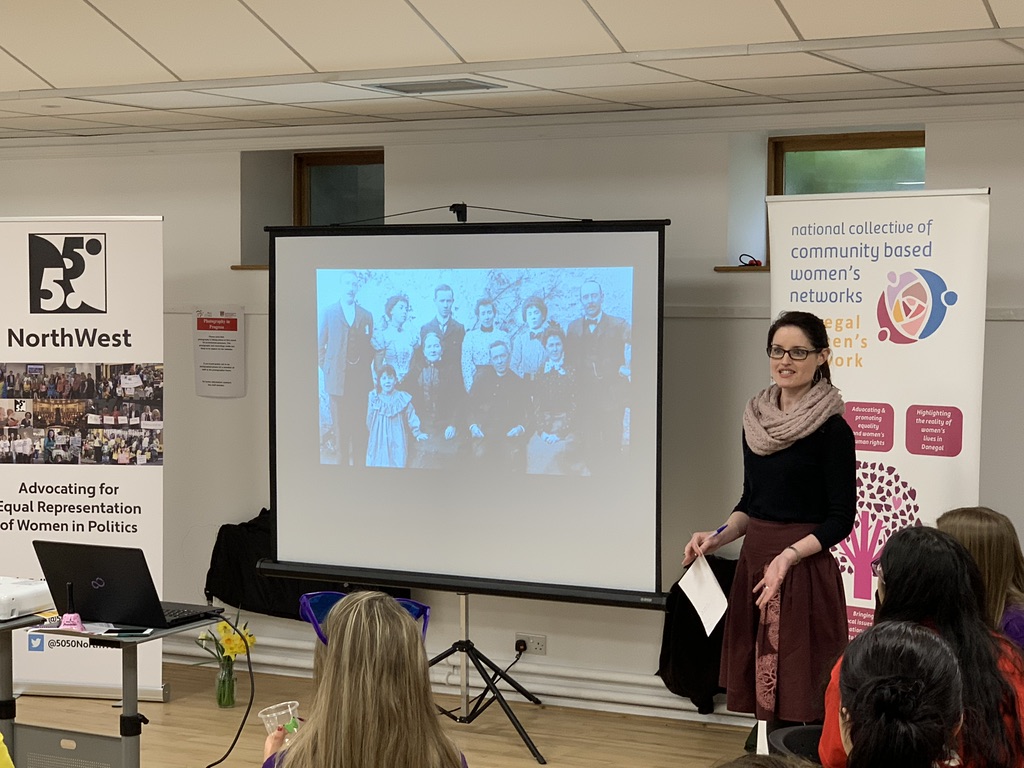
 Women's Collective Donegal